

Selecting the appropriate electric control valve based on working pressure is a crucial decision in many industrial and commercial applications. As a leading supplier of electric control valves, we understand the significance of this process and are here to guide you through the key considerations to ensure you make the right choice.

Understanding Working Pressure
Working pressure refers to the pressure at which a valve is expected to operate within a system. It encompasses both the static pressure, which is the pressure when the fluid is not flowing, and the dynamic pressure, which accounts for the pressure changes during fluid flow. Understanding the working pressure range is fundamental as it directly impacts the valve's performance, durability, and safety.
Pressure Ratings and Valve Selection
One of the first steps in selecting an electric control valve is to determine the pressure rating required for your application. Pressure ratings are typically specified by valve manufacturers and indicate the maximum pressure a valve can safely handle. It's essential to choose a valve with a pressure rating that exceeds the maximum working pressure of your system to ensure reliable operation and prevent potential failures.
For instance, if your system operates at a maximum pressure of 100 psi, it's advisable to select a valve with a pressure rating of at least 150 psi to provide a safety margin. This extra margin accounts for potential pressure spikes or fluctuations that may occur during normal operation or in the event of system disturbances.
Types of Electric Control Valves and Their Pressure Capabilities
There are several types of electric control valves available, each with its own pressure capabilities and suitability for different applications. Here are some common types:
Electric Two - Way Control Valves
These valves are commonly used for on - off or proportional control of fluid flow in a single pipeline. They are suitable for a wide range of working pressures, from low - pressure applications such as HVAC systems (typically up to 150 psi) to medium - pressure industrial processes (up to 500 psi). Our Electric Regulating Valve is a prime example of a high - quality two - way control valve that can handle various pressure ranges with precision.
Electric Three - Way Regulating Valve - Confluence
Three - way control valves are used for mixing or diverting fluid flow in a system. They are often employed in applications where precise temperature or flow control is required, such as in heating and cooling systems. These valves can typically handle pressures similar to two - way valves, but their design and internal components may be optimized for specific flow patterns and pressure differentials.
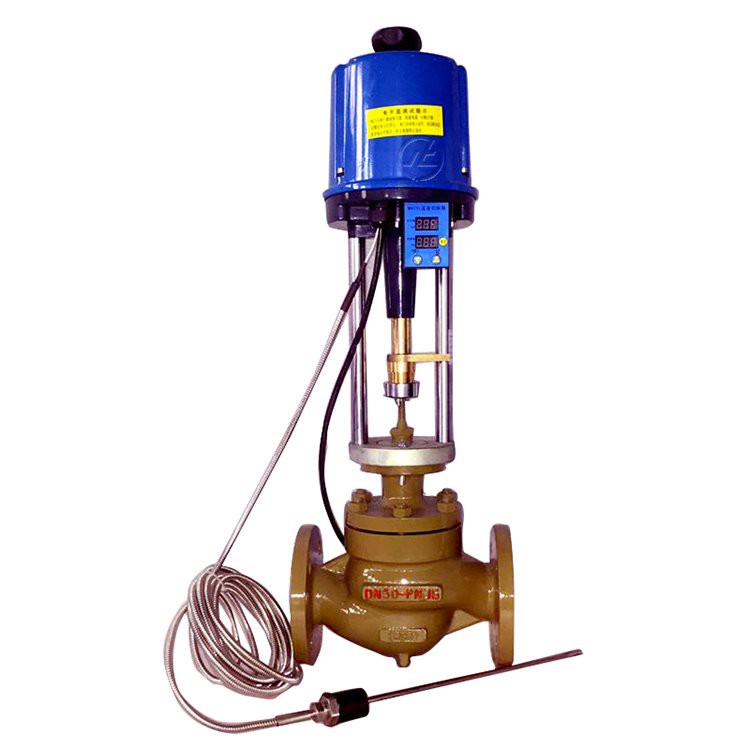
Electric Temperature Control Control Valve
As the name suggests, these valves are specifically designed for temperature control applications. They are capable of handling pressures that are typical for the associated heating or cooling systems. For example, in a water - based HVAC system, they can operate at pressures ranging from 50 to 200 psi, depending on the system design and requirements.
Pressure Drop Considerations
In addition to the working pressure, it's important to consider the pressure drop across the valve. Pressure drop is the difference in pressure between the inlet and outlet of the valve when fluid is flowing through it. A high pressure drop can result in increased energy consumption, reduced flow rates, and potential system inefficiencies.
When selecting an electric control valve, choose a valve with a low pressure drop characteristic. This can be achieved by selecting a valve with an appropriate size and flow coefficient (Cv). The Cv value indicates the flow capacity of the valve, and a higher Cv value generally means a lower pressure drop for a given flow rate.
Material Selection for High - Pressure Applications
For applications with high working pressures, the choice of valve materials is critical. Valves must be constructed from materials that can withstand the pressure and the corrosive effects of the fluid being handled. Common materials for high - pressure valves include stainless steel, carbon steel, and alloy steels.
Stainless steel valves are popular due to their corrosion resistance and high strength. They are suitable for a wide range of applications, including those in the chemical, food and beverage, and pharmaceutical industries. Carbon steel valves are often used in industrial applications where cost - effectiveness is a priority, while alloy steels are used for extremely high - pressure and high - temperature applications.
Safety and Compliance
When selecting an electric control valve based on working pressure, safety should always be a top priority. Ensure that the valve meets relevant industry standards and certifications, such as ASME (American Society of Mechanical Engineers) standards for pressure - containing components. These standards ensure that the valve has been designed, manufactured, and tested to meet strict safety requirements.
System Compatibility
Finally, consider the compatibility of the electric control valve with the rest of the system. This includes factors such as the type of actuator, the control signal, and the piping system. The actuator should be able to provide sufficient force to operate the valve against the working pressure, and the control signal should be compatible with the valve's control mechanism.
In terms of the piping system, ensure that the valve size and connection type match the existing piping to minimize installation difficulties and potential leaks.
Conclusion
Selecting an electric control valve according to the working pressure is a complex but essential process. By considering factors such as pressure ratings, valve types, pressure drop, material selection, safety, and system compatibility, you can choose the right valve for your application. As a trusted electric control valve supplier, we have a wide range of products to meet your specific needs. Whether you are looking for a simple two - way control valve or a more sophisticated three - way regulating valve, we can provide you with high - quality solutions.
If you are interested in learning more about our electric control valves or would like to discuss your specific requirements, please contact us. Our team of experts is ready to assist you in making the best selection for your project.
References
- ASME Boiler and Pressure Vessel Code
- Valve Handbook, edited by Robert W. Fischer


