

Hey there! As a control valve supplier, I often get asked about the dynamic response of control valves. So, let's dive right in and break it down in a simple way.
First off, what exactly is the dynamic response of a control valve? Well, in a nutshell, it's how the valve behaves when there's a change in the input signal. You know, like when you tell the valve to open or close a bit more. The dynamic response shows how quickly and accurately the valve can adjust to that new command.
Think of it like driving a car. When you press the accelerator or the brake, you expect the car to respond right away. If there's a delay or the car doesn't react as expected, it can be a real hassle. The same goes for control valves. In industrial processes, a fast and accurate dynamic response is crucial.

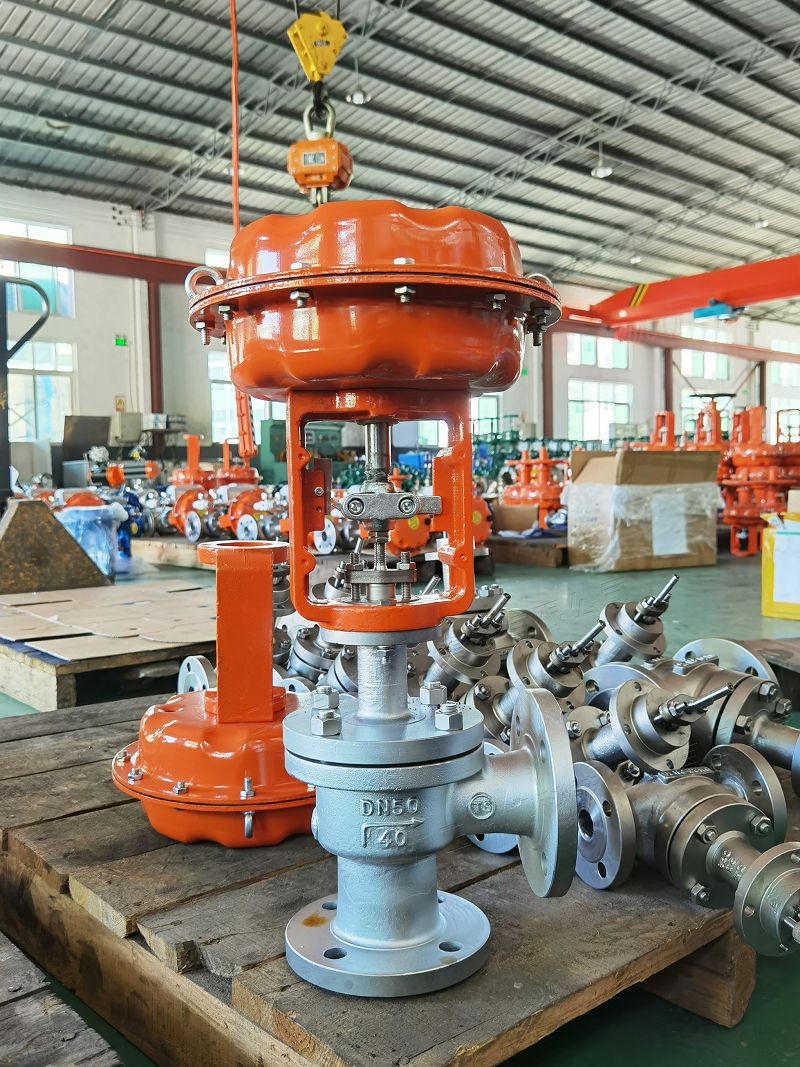
There are a few key factors that affect the dynamic response of a control valve. One of the big ones is the valve's actuator. The actuator is what makes the valve move. It can be pneumatic, electric, or hydraulic. Each type has its own characteristics that influence how fast the valve can open or close.
Pneumatic actuators are pretty common. They use compressed air to move the valve. They're generally fast and reliable, but sometimes they can have a bit of a lag due to the time it takes to build up or release the air pressure. Electric actuators, on the other hand, can be very precise and quick. They can respond almost instantly to an electrical signal. But they might be more expensive and require more maintenance.
Another factor is the valve's size and design. A larger valve might take longer to move compared to a smaller one. And the internal design of the valve, like the type of trim (the parts inside the valve that control the flow), can also affect the response time. For example, a Labyrinth Cage Control Valve has a unique design that can offer good flow control and potentially a decent dynamic response.
The system in which the control valve is installed also plays a role. The pressure, temperature, and flow rate of the fluid passing through the valve can all impact how it responds. If the fluid is very viscous or the pressure is extremely high, the valve might have a harder time moving quickly.
Now, let's talk about why the dynamic response is so important. In many industrial applications, precise control of the flow of fluids or gases is essential. For instance, in a chemical plant, you need to make sure that the right amount of chemicals are mixed at the right time. A slow or inaccurate dynamic response could lead to incorrect mixing, which could result in poor product quality or even safety hazards.
In a power generation plant, control valves are used to regulate the flow of steam or water. A fast dynamic response is needed to adjust to changes in power demand. If the valve can't respond quickly enough, it could cause fluctuations in the power output, which is definitely not good.
Let's take a look at some specific types of control valves and their dynamic response characteristics. The Minimum Flow Control Valve is designed to maintain a minimum flow rate in a system. It needs to be able to respond quickly when the flow drops below a certain level to prevent damage to pumps or other equipment.
The Pneumatic Diaphragm Angle Single - seat Control Valve is another popular type. It uses a pneumatic diaphragm actuator to move the valve. These valves are known for their good dynamic response and are often used in applications where a quick and accurate adjustment of the flow is required.
To measure the dynamic response of a control valve, engineers use a few different methods. One common way is to apply a step change in the input signal and measure how the valve position changes over time. They look at things like the rise time (how long it takes for the valve to reach a certain percentage of its final position), the settling time (how long it takes for the valve to stop oscillating and stay within a certain tolerance of the final position), and the overshoot (how much the valve goes beyond the final position before settling).
Improving the dynamic response of a control valve can involve a few strategies. One is to optimize the actuator settings. For pneumatic actuators, adjusting the air pressure and the size of the air supply lines can make a big difference. For electric actuators, fine - tuning the control parameters can improve the response time.
Another strategy is to choose the right valve for the application. Make sure the valve's size, design, and materials are suitable for the operating conditions. Sometimes, upgrading to a more advanced valve design can also enhance the dynamic response.
In conclusion, the dynamic response of a control valve is a critical aspect of its performance. It affects how well the valve can control the flow of fluids or gases in an industrial process. As a control valve supplier, we understand the importance of providing valves with excellent dynamic response. Whether you need a Minimum Flow Control Valve, a Labyrinth Cage Control Valve, or a Pneumatic Diaphragm Angle Single - seat Control Valve, we've got you covered.
If you're in the market for control valves and want to discuss your specific requirements, don't hesitate to reach out. We're here to help you find the perfect valve with the best dynamic response for your application. Let's have a chat and see how we can work together to improve your process control.
References:
- "Control Valve Handbook" by Milton Beychok
- "Industrial Control Valve Technology" by various industry experts


